
Find Virginia Genealogy Records
Virginia genealogy records go back to the early 1600s, making the state one of the richest places in the country to trace family history. You can search birth, death, marriage, divorce, land, probate, and court records through the Library of Virginia, county clerk offices, and the Virginia Department of Health. Many of these records are free to access online. This guide covers the main sources for Virginia genealogy research, what each one holds, and how to get copies of the documents you need.
Virginia Genealogy Overview
Virginia Genealogy at the Library of Virginia
The Library of Virginia is the main state archive for genealogy research. It was founded in 1823 to hold government records, and today it has the most complete set of Virginia history and genealogy materials anywhere. Researchers come from across the country to use it. The Archives Division holds Virginia birth and death records from 1853 to 1896, and marriage records from before 1936. All of these are available on microfilm at no charge. The Library also holds family Bibles, divorce records, land patents, Revolutionary War bounty warrants, and Confederate pension rolls.
The Virginia Memory digital portal gives you free online access to over 100 collections. These include chancery court cases from the 1730s through the 1950s, digitized newspapers from across the state, land office records, will books, and the Virginia Untold African American history collection. The Chancery Records Index is especially useful for genealogy work because inheritance disputes often name spouses, children, and siblings. The Library also runs the Circuit Court Records Preservation program, which funds counties to protect old court papers. You can reach the Library at 800 East Broad Street, Richmond, VA 23219, or by phone at 804-692-3500.
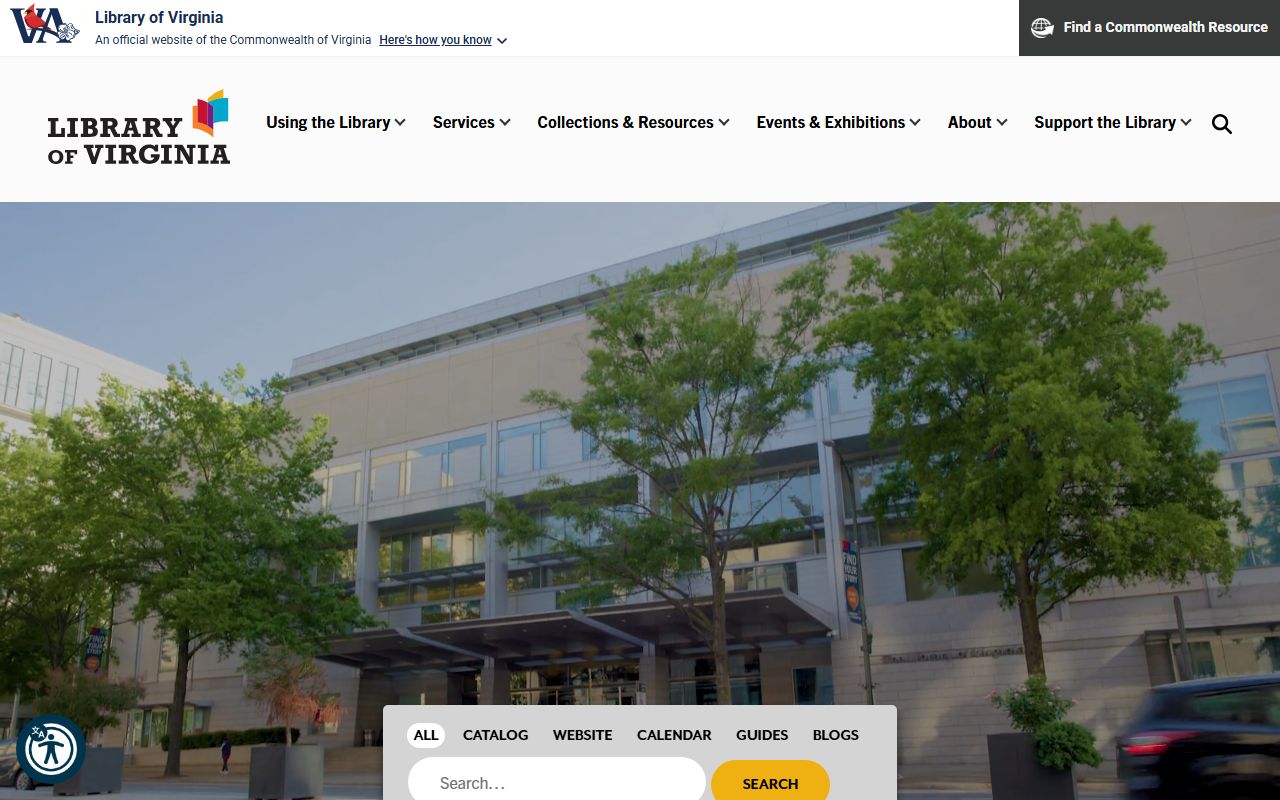
Virginia residents with a public library card can access Virginia records on Ancestry.com for free through Finditva.com. Available records include Virginia Births and Christenings 1584-1917, Virginia Deaths and Burials 1853-1912, Virginia Marriages 1660-1800 and 1785-1940, and Virginia Divorce Records 1918-1988. Access is available both at libraries and remotely from home. The Library also moderates VA-ROOTS, an electronic discussion group for Virginia genealogy researchers.
Note: The Library of Virginia does not answer genealogy questions by phone. Use the Ask a Research Question form on their site. Staff typically respond within one to three business days.
Virginia Vital Records for Genealogy
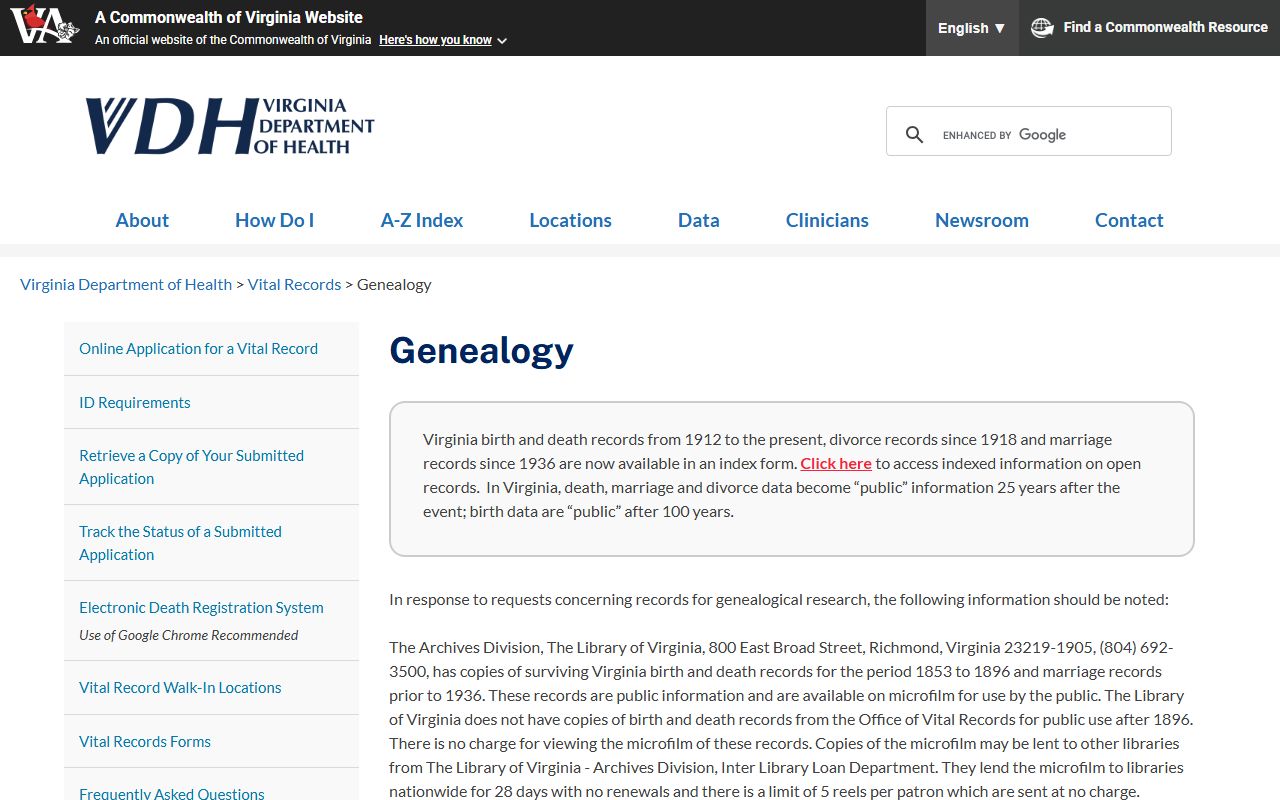
The Virginia Department of Health Office of Vital Records holds birth records from 1912 to the present, death records from 1912, marriage records from 1936, and divorce records from 1918. For records before those dates, you go to the Library of Virginia, not to VDH. A law passed by the Virginia General Assembly on April 11, 1853 started statewide recording of births and deaths, but that registration lapsed in 1896. There is a gap from 1896 to 1912 when records were not consistently kept.
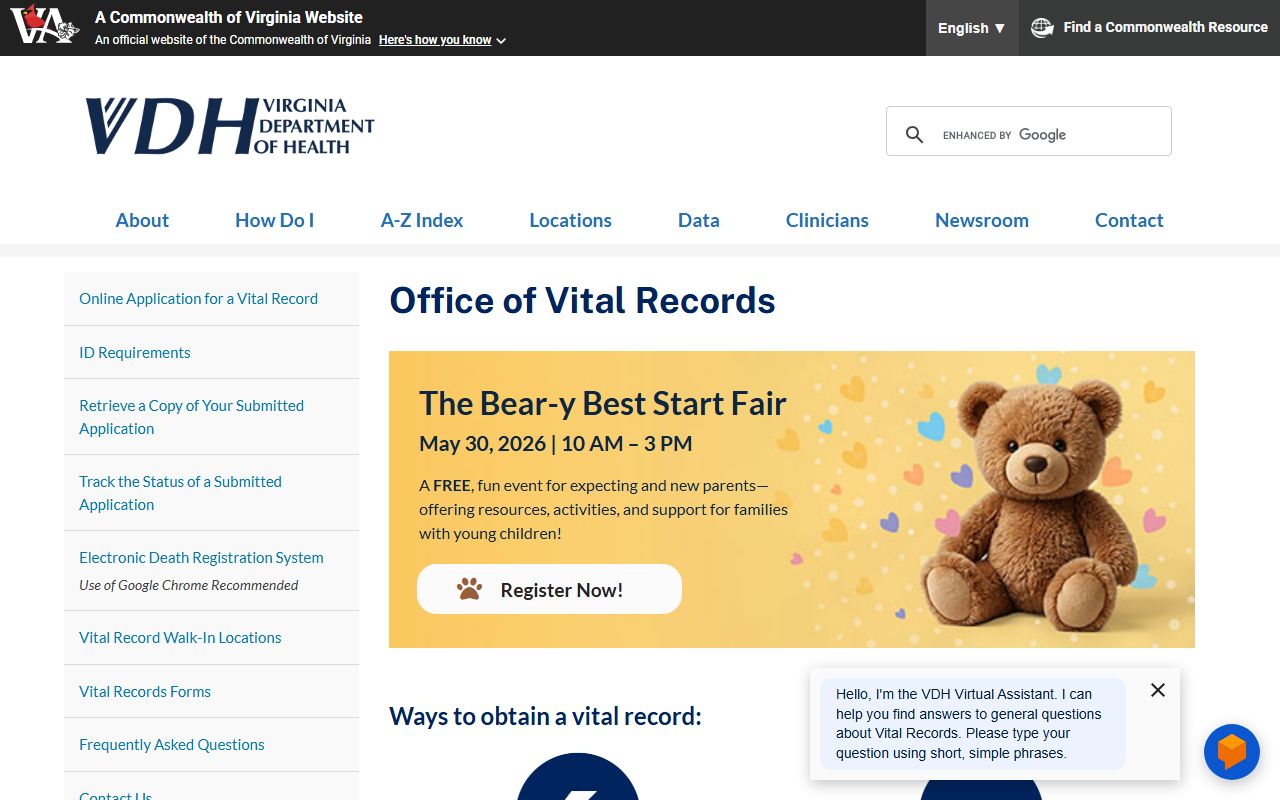
Under Section 32.1-271 of the Code of Virginia, death, marriage, and divorce data become public 25 years after the event. Birth data stays restricted for 100 years. The fee for each certified copy is $12.00, payable by check, money order, payment card, or cash. You can request records online through the VDH website, by mail to P.O. Box 1000, Richmond, VA 23218, or in person at 8701 Park Central Drive, Suite 100, Richmond, VA 23227. Walk-in hours are Monday through Friday, 7:00 a.m. to 4:00 p.m. The Customer Care Center at (804) 662-6200 is open weekdays from 8:00 a.m. to 4:30 p.m.
Certified copies of birth, death, marriage, and divorce records are also available at all full-service Virginia DMV locations, including service centers and 2Go mobile offices. That can save you a trip to Richmond if you live far from the state capital.
Search Virginia Genealogy Records Online
Several free databases let you search Virginia genealogy records from home. Virginia Memory at virginiamemory.com provides digitized access to chancery court records, land patents, newspapers, and African American history materials including cohabitation registers and free negro registers. Most of the content is free and searchable by keyword or name. New items are added regularly as the Library of Virginia processes its backlog of undigitized holdings.
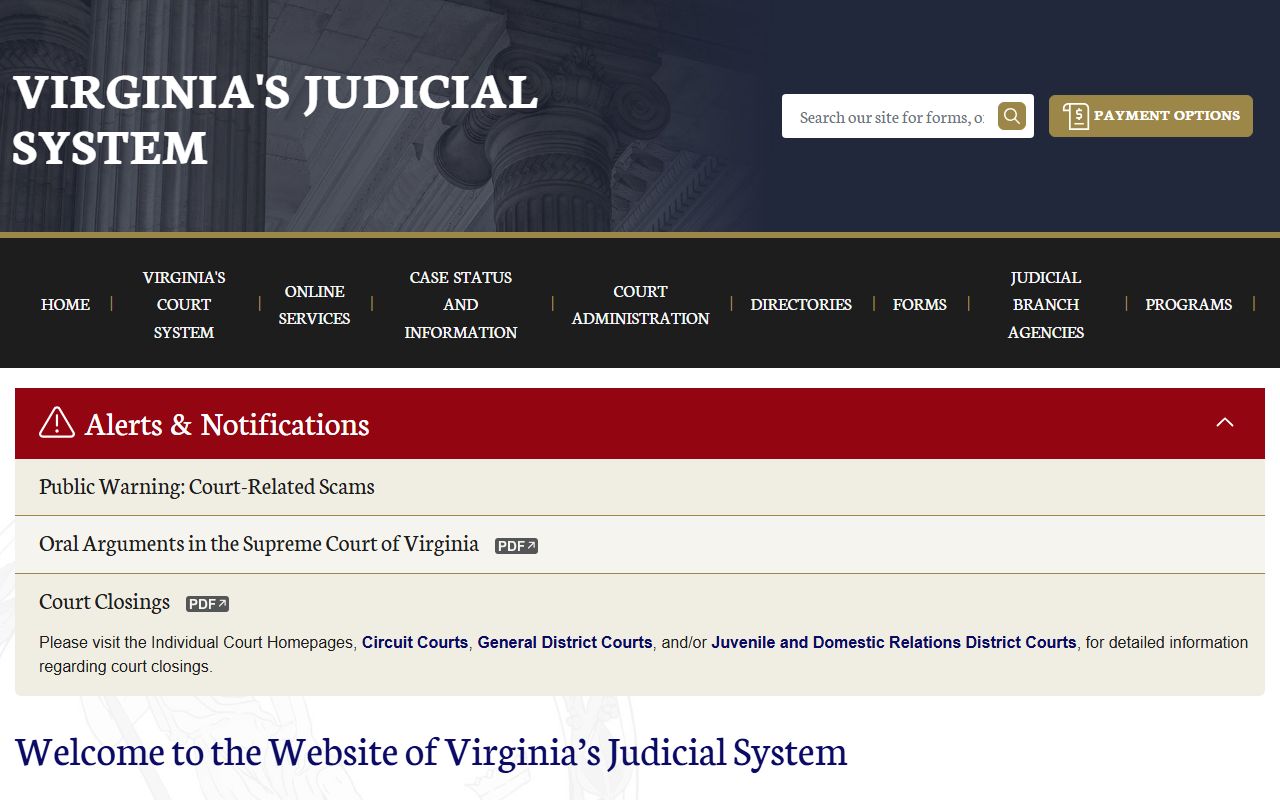
The Virginia Judicial System website gives online access to civil and criminal case records for circuit courts, general district courts, and juvenile and domestic relations courts across the state. You can search by party name, case number, or hearing date. Each circuit court clerk maintains land records, marriage licenses, wills, and historic court papers going back to the county's founding. Some clerks offer secure remote access to land records for a subscription fee, typically running from $50 a month up to $600 a year.
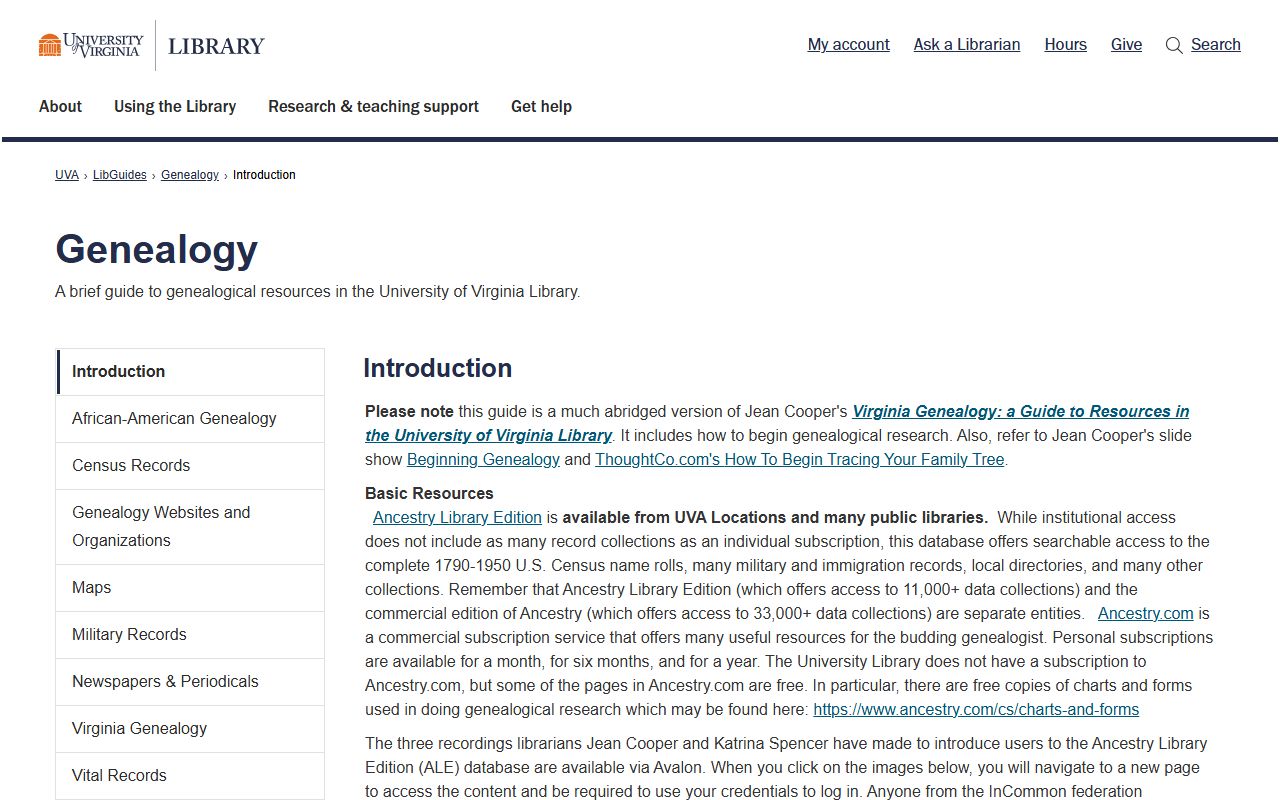
FamilySearch provides a comprehensive wiki on Virginia genealogy resources and holds free digital records including census, military, and vital records for Virginia. The USGenWeb Virginia project at vagenweb.org maintains free county-level genealogy pages with transcribed records, cemetery lists, query boards, and links to local historical societies. Both are worth checking early in your research.
Virginia Genealogical Societies and Archives
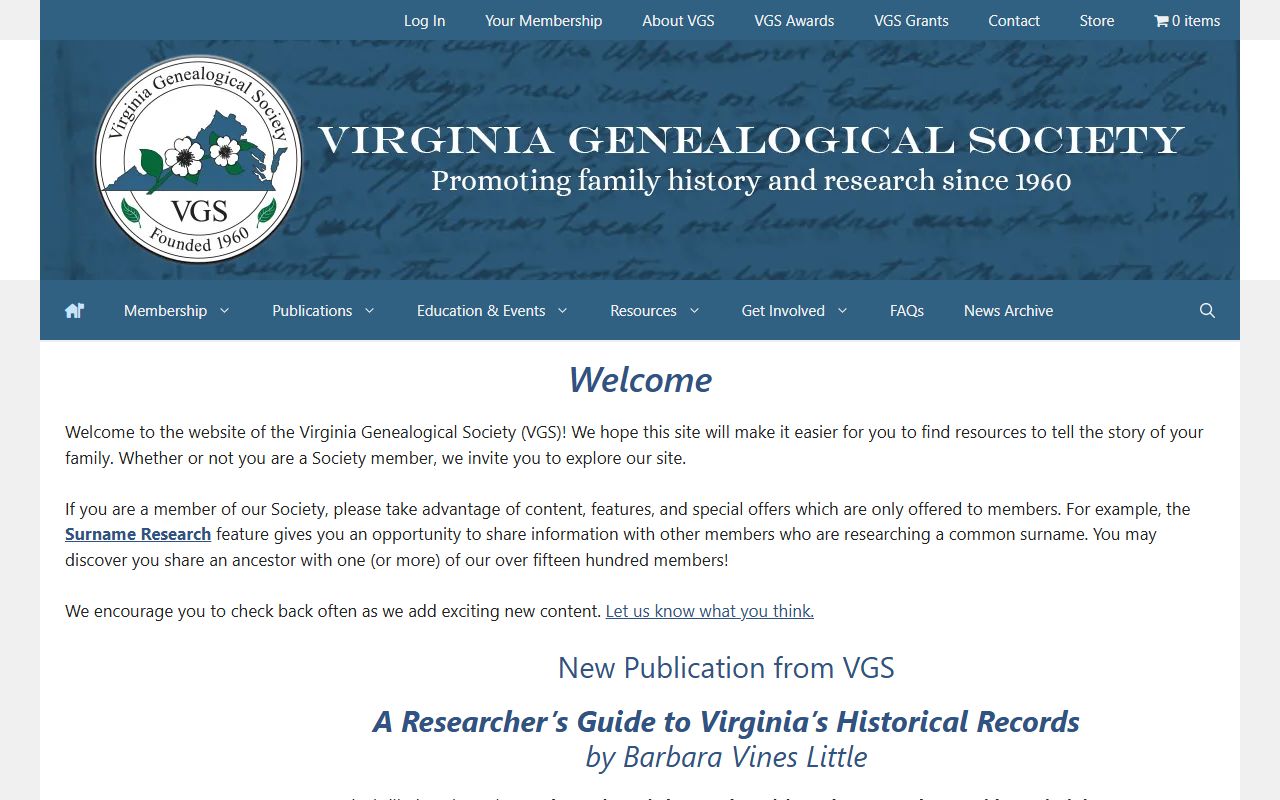
The Virginia Genealogical Society has published the Magazine of Virginia Genealogy quarterly since its founding. The journal contains transcribed records, research articles, and reviews of new genealogy publications. The Society has also sponsored will index projects for many counties, making probate records easier to find. Members receive discounts on publications and have access to back issues. The Society also published "A Researcher's Guide to Virginia's Historical Records" by Barbara Vines Little, a 600-page guide to local and state government records that remains the most thorough reference on the subject.
The Virginia Museum of History and Culture holds more than nine million items, including manuscripts, photographs, census records, land records, ship passenger lists, military records, wills, marriage records, obituaries, county court records, and Bible records. The museum is at 428 North Boulevard, Richmond, VA 23220, phone (804) 358-4901. Most collections are not online, so researchers must visit in person or hire a researcher. The museum uses a closed-stacks system where you fill out call slips to request materials.

Virginia Newspapers and Cemetery Records
Newspapers are one of the most overlooked sources in Virginia genealogy. The Virginia Chronicle is a free database of historical Virginia newspapers managed by the Library of Virginia. It covers publications from across the state going back to the 18th century, fully searchable by keyword, date, and location. Obituaries, marriage announcements, birth notices, legal notices, estate sales, and social columns all appear in these papers and can fill in gaps left by official records. The database is updated regularly as more papers are digitized from the Library's holdings.
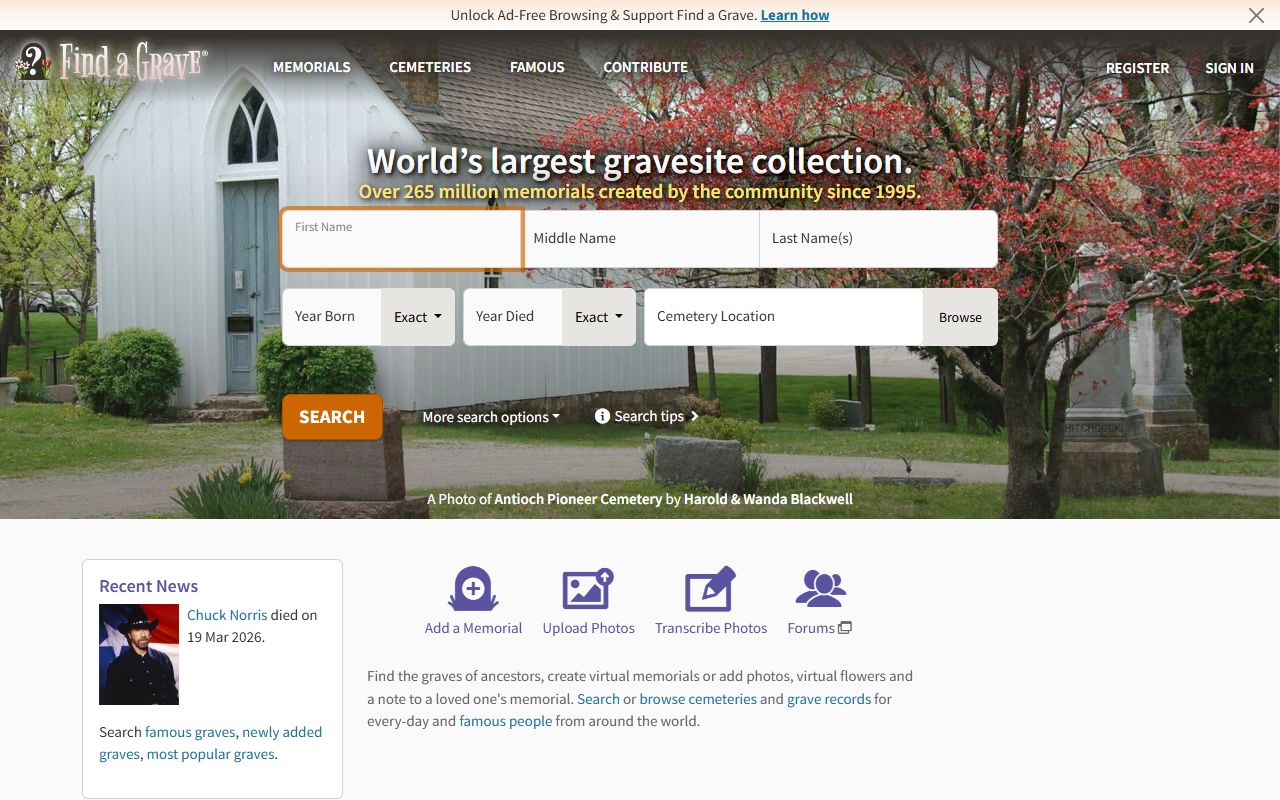
Find a Grave documents millions of Virginia burials. Volunteers have photographed graves in colonial-era churchyards, Civil War burial grounds, rural family plots, and modern memorial parks. Cemetery records provide birth and death dates, family relationships, and sometimes biographical information not found anywhere else. If a grave has not been photographed, you can request that a local volunteer photograph it for you. Many memorials include links to spouses, children, and parents, making it easier to trace multiple generations in one search.
Virginia Genealogy Laws and Record Access
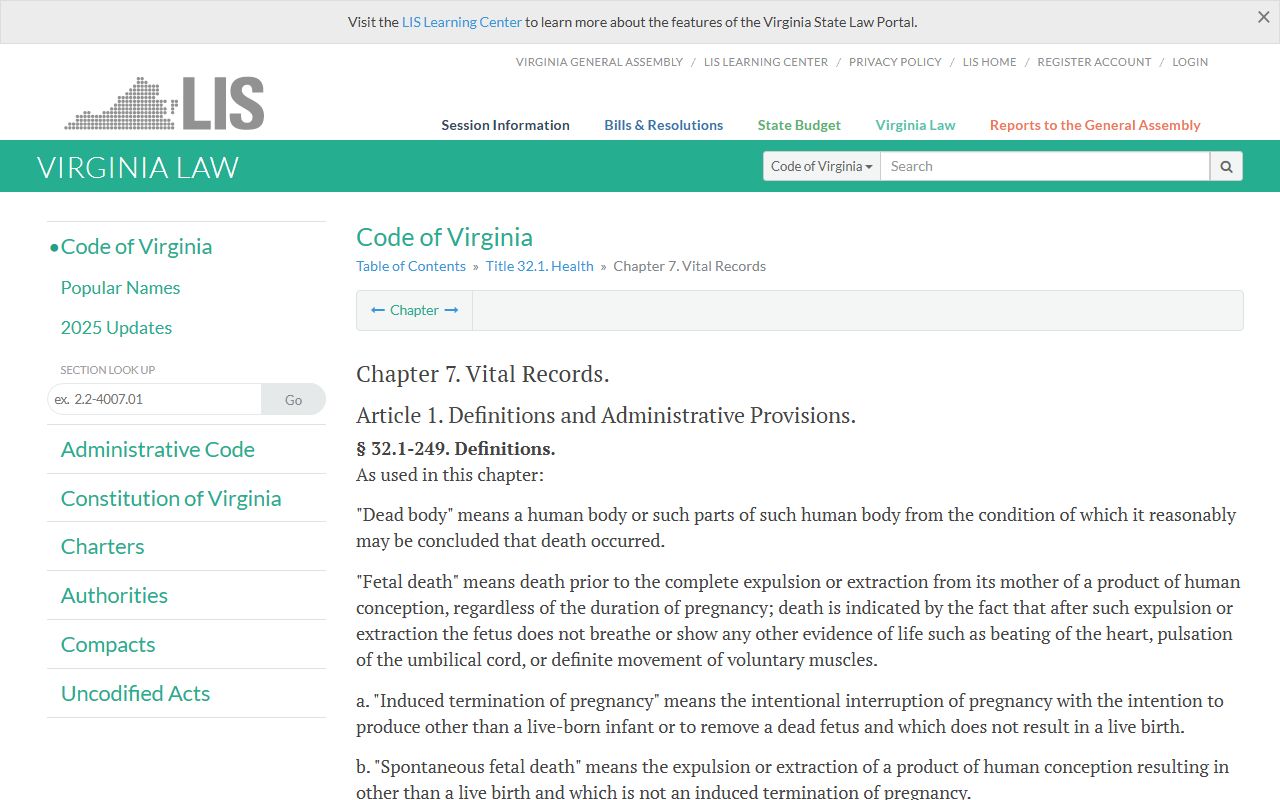
Virginia law sets clear rules about who can access genealogy records and when they become open to the public. The main statute is Title 32.1, Chapter 7 of the Code of Virginia, which governs vital records. Section 32.1-249 defines what qualifies as a vital record. Section 32.1-252 establishes the State Registrar's duties. Section 32.1-271 sets the public access timeline: death, marriage, and divorce records become public 25 years after the event, and birth records after 100 years. Before those windows open, only immediate family members with valid ID can request certified copies from the Office of Vital Records.
Court records held by county clerks are public under the Virginia Freedom of Information Act. Land records, wills, probate files, and marriage licenses at any courthouse are open for inspection during business hours. Some records are sealed by court order or statute, including juvenile files, adoption records, and mental health commitment records. The circuit court clerk in each locality serves as the official custodian of these records and can tell you what is available.
Many Virginia counties lost records to fire, flood, and war. Courthouse fires during the Civil War destroyed documents in Chesterfield, Fairfax, Dinwiddie, Gloucester, and other counties. When you hit a burned county, try parent county records, church registers, federal census records, and land patents at the Library of Virginia. The FamilySearch Virginia wiki lists which records survived in each county and where to find them.
Virginia has 95 counties and 39 independent cities. Each is a separate legal jurisdiction with its own court and record-keeping system. Before you start a search, confirm which county or city had jurisdiction over the place and time period you are researching. This step alone can save hours of looking in the wrong place.
Note: Virginia genealogy microfilm records can be borrowed through the Library of Virginia's interlibrary loan program. Reels are sent to libraries nationwide for 28 days at no charge, with a limit of 5 reels per patron at a time.
Browse Virginia Genealogy Records by County
Virginia's 95 counties each have a Circuit Court Clerk who maintains land records, marriage licenses, wills, and court documents going back to the county's founding. Many records date from the 1700s or earlier. Select a county below to find local contact information, record dates, and genealogy resources.
Genealogy Records in Virginia's Independent Cities
Virginia has 39 independent cities, each with its own Circuit Court Clerk separate from any county. City courts maintain the same types of records as county courts. Select a city below to find its court contact information and local genealogy resources.