
Access Charlotte County Genealogy Records
Charlotte County genealogy records begin in 1765, when the county was formed from Lunenburg County in south-central Virginia. The Circuit Court Clerk at Charlotte Court House holds marriage, land, probate, divorce, and court records spanning more than 260 years. Birth and death records from 1853 to 1870 provide vital statistics documentation from the earliest years of statewide registration. Researchers tracing families in this part of Virginia will find that Charlotte County's records are intact and well-preserved from the founding year.
Charlotte County Overview
Charlotte County Circuit Court Clerk
The Circuit Court Clerk in Charlotte County holds the official genealogy and legal records for the county at the courthouse in Charlotte Court House. The clerk's office maintains marriage, divorce, probate, court, and land records from 1765. Staff can help you find materials in the office, but research is the individual's responsibility. The clerk's office does not conduct genealogical research on behalf of visitors.
Charlotte County was created from Lunenburg County in 1765 and named for Queen Charlotte, wife of King George III of England. Part of Prince Edward County was added in 1777. The county seat is Charlotte Court House, which is both the name of the town and the location of the courthouse. The county is in the south-central part of Virginia, and the records held there document more than two and a half centuries of family life in the region.
Towns within Charlotte County include Charlotte Court House, Drakes Branch, and Keysville. All county-level genealogy records are centralized at the courthouse regardless of which town your ancestor lived in. The FamilySearch Charlotte County wiki provides a detailed overview of the collections available and their beginning dates.
| Office | Charlotte County Circuit Court Clerk |
|---|---|
| Location | Charlotte Court House, VA |
| Records From | 1765 (marriage, land, probate, court) |
| Birth/Death | 1853-1870 |
| Census Start | 1810 |
How to Search Charlotte County Records
Visiting the courthouse in Charlotte Court House is the primary way to search genealogy records. The clerk's office can orient you to the indexes and record volumes during your visit. For land records, the grantor and grantee indexes allow you to search by surname across the deed books from 1765. For probate records, the will books and estate files are indexed similarly. Bring a list of names and approximate dates to make the most of your time.
The Library of Virginia holds microfilm of many Charlotte County records and has an online catalog you can search before visiting. Some Charlotte County deed books, will books, and court records are available on microfilm at the LVA and can be viewed in Richmond or borrowed through interlibrary loan. This is a good option if you cannot travel to Charlotte Court House.
The Virginia Memory portal gives free online access to Charlotte County land tax records and chancery case indexes. Land tax records provide an annual listing of property owners and are useful for tracking when your ancestor first appeared in the county and when they stopped paying taxes. Chancery records can be searched by name and often contain family testimony not found elsewhere.
Note: The clerk's office staff will assist in finding materials but will not do research for you. Plan your visit with specific record types and name ranges in mind.
Charlotte County Record Types for Genealogy
Marriage records in Charlotte County begin in 1765, the founding year of the county. Early marriage bonds name the bride, groom, and a bondsman who guaranteed the marriage was lawful. These bonds often name a father or brother as the surety. Marriage registers from 1853 onward record the date and officiating minister. The full marriage record collection spans more than 250 years, from colonial bonds to modern-day licenses.
Land records from 1765 include deeds, deeds of trust, surveyor's plats, and related instruments. A thorough land records search can document your ancestor's time in Charlotte County and help you identify when they arrived, where they lived, and to whom they eventually transferred their property. Neighbors named in deeds are often relatives, especially in the 18th and early 19th centuries when family groups settled close together.
Probate records from 1765 include wills and estate administrations. These are among the most genealogically rich documents in any county collection. A will from 1780 might name a spouse, adult children, and grandchildren, along with witnesses who were often friends or relatives. Estate inventories list personal property in fine detail. Guardian accounts document the care of minor children after a parent's death and can track children's ages and confirm their parents.
Birth records from 1853 to 1870 and death records from the same period provide vital statistics for mid-19th century Charlotte County families. These early registration records have gaps because compliance was not universal, but they cover a period that predates the more complete statewide registration that began in 1912. Court records from 1765 include order books and case files that document legal proceedings across the county's full history.
State and Online Resources for Charlotte County
The Virginia Genealogical Society publishes research guides and finding aids for Virginia counties including Charlotte. Their publications often include transcriptions of early records that are hard to read in the original. Membership gives you access to a full library of county research tools.
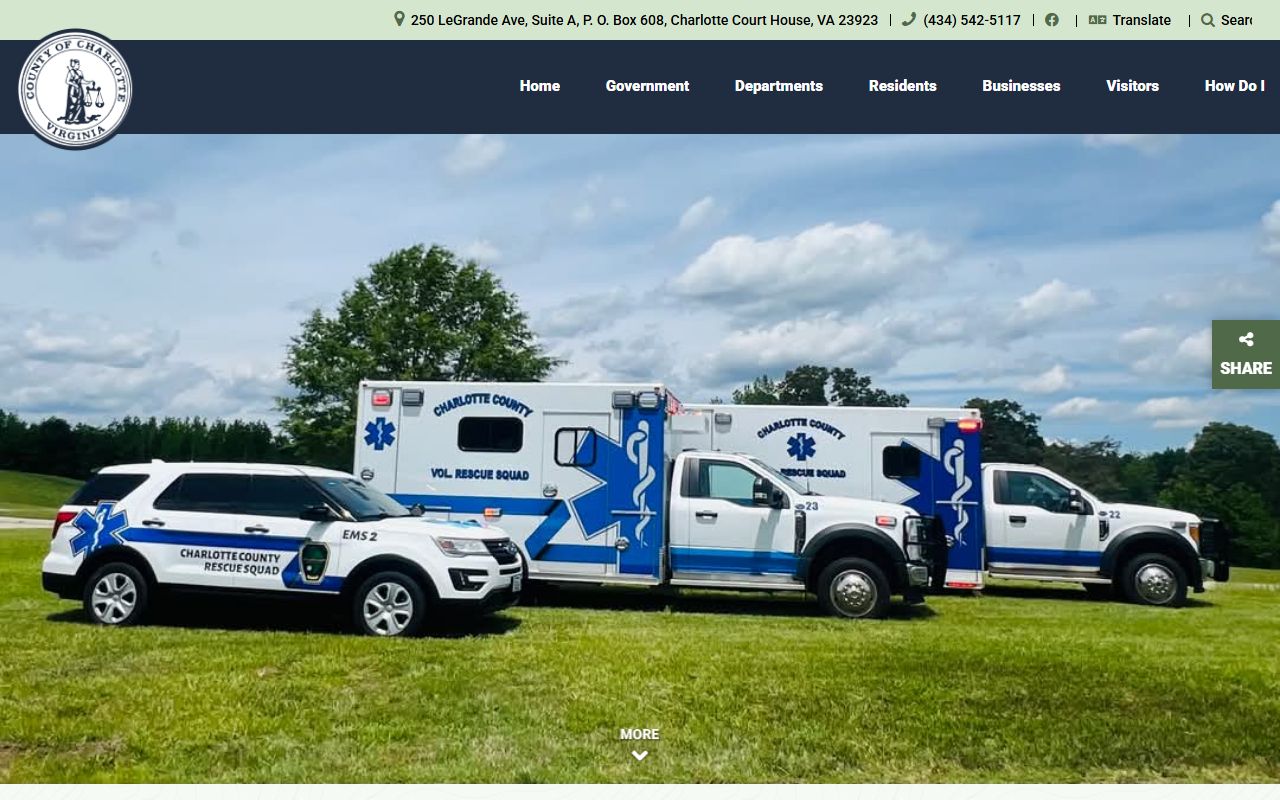
The Charlotte County government site at charlotteva.com provides county contact information and links to local offices for researchers planning a courthouse visit.
For vital records issued from 1912 onward, contact the Virginia Department of Health Vital Records office in Richmond. Birth and death certificates from the modern era are not held at the county courthouse. The Find A Grave database also has cemetery entries for Charlotte County that can help document deaths for ancestors not found in official records.
Nearby Counties
These counties border Charlotte County. Each has its own Circuit Court Clerk with genealogy records.